Loading...
Research Library
Explore our research, reports, and guides
Access in-depth research and analysis of bank and corporate accountability, with a focus on complaint offices and accountability gaps in the finance sector. The Research Library features our monthly newsletter, thematic reports, and key policy analyses to support your organizing and advocacy work.

Newsletter Archive

Beyond Remedies: How Accountability Mechanisms Can Protect Communities from Irreversible Harm
February 2026
In Beyond Remedies: How Accountability Mechanisms Can Protect Communities from Irreversible Harm, Ana Gutiérrez and Gregory Berry examine how Independent Accountability Mechanisms (IAMs) can function not only as tools for remedy after harm occurs, but as critical instruments for preventing environmental and social harm before it becomes irreversible. Building on Jonathan Fox’s call to rethink “what counts” as accountability, the article explores how IAMs, despite limited formal powers, have helped delay, suspend, or terminate projects posing imminent risks to communities. Through case studies spanning climate finance, conservation, extractive industries, and infrastructure development, the authors show how preventive accountability emerges through financial leverage, policy design, political pressure, and transparency, and argue that strengthening IAM independence and early-stage intervention is essential to upholding the “do no harm” principle in development finance.

A mirror and a map for the next generation of Accountability Mechanisms
November 2025
Accountability Counsel’s new report, Accountability in Action or Inaction? An Empirical Study of Remedy Delivery in IAMs, offers the first comprehensive evaluation of the ways that Independent Accountability Mechanisms (IAMs) deliver justice to communities harmed by development bank–financed projects.
Drawing on analysis of all 2,270 complaints filed to 16 IAMs through 2022 and 45 interviews across 25 cases worldwide, the study reveals that while IAMs can achieve transformative remedies—such as improved labor practices, community health programs, and restored dialogue between companies and affected people—these outcomes remain rare. Only 15% of complaints resulted in any identifiable commitment, and just 10% saw at least one commitment fully completed.
The research highlights systemic challenges including poor implementation, power imbalances, and widespread retaliation against complainants, but also points to pathways for reform. Strengthening IAM mandates, improving monitoring and transparency, and ensuring timely, participatory remedy are essential to realizing the full promise of development accountability and making justice a consistent and predictable reality rather than an exception.
AI, IFIs, and Community Harm
September 2025
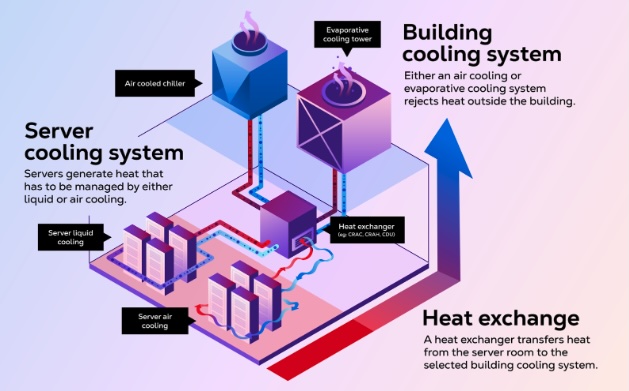
AI’s rapid advancement is driving an unprecedented investment in data centers, with companies spending over $364 billion last year to meet the growing computational demands needed for agentic AI. These centers rely heavily on water-intensive cooling systems, often using municipal potable water to prevent microbial build-up, raising environmental and societal concerns, particularly in regions already experiencing water scarcity. Data centers can exacerbate utility costs, limit water accessibility, and contribute to long-term health risks in affected communities, disproportionately impacting low-income populations and people of color. International financial institutions are heavily funding these developments globally, underscoring the need for transparency, responsible resource management, and community engagement to balance technological progress with social and environmental responsibility.
Reports, Resources, and Guides
Our Last and Only Resort
Executive Summary: Accountability In Action or Inaction?
Full Report: Accountability In Action or Inaction?
Climate Obligations of MDBs: an Independent Legal Opinion
Good Policy Paper
Roadblocks to Accountability
Handbook for Filing Complaints Against Harmful Business Practices