Loading...
Home > Newsletters > Oct. 6, 2026 > A Bellwether for Harm: Inadequate Community Consultation
Oct. 6, 2026
A Bellwether for Harm: Inadequate Community Consultation
By Huda Soboh
Analysis of 2,427 IAM complaints shows that inadequate consultation and disclosure are consistently associated with broader environmental, social, and human rights harms, reinforcing their role as an early indicator of project risk.
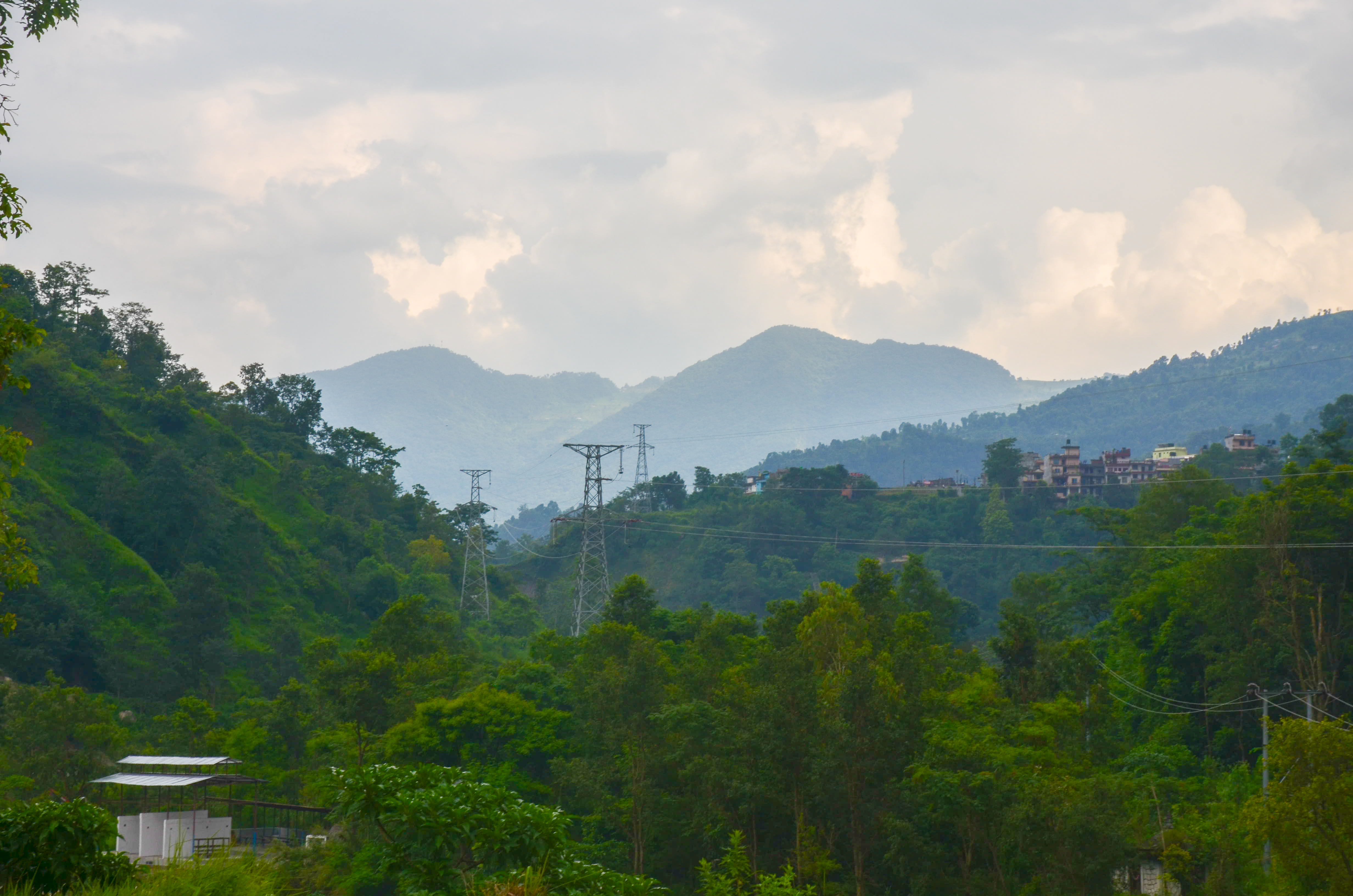
In 2018, communities and Indigenous Peoples in Nepal’s Lamjung District filed a complaint concerning the 220kV Marsyangdi Corridor, part of the nearly €100 million Nepal Power System Expansion Project financed by the European Investment Bank. Community members alleged a host of harms associated with the project, including displacement, land acquisition without adequate process and safeguards, loss of property value without adequate compensation, and harm to agricultural land and community forests. Moreover, community members alleged that project authorities had failed to seek their free, prior, and informed consent and had not provided meaningful information or consultation about the project’s environmental, human rights, and livelihood impacts. Following the complaint, the European Investment Bank's Complaints Mechanism investigated the project and largely substantiated the community members’ concerns. Not only did the EIB’s mechanism confirm significant risks arising from failures in environmental and social due diligence, land acquisition, and displacement planning serious enough that the EIB made further loan disbursements conditional on the implementation of corrective actions, but the mechanism also found that it had failed to conduct the required process for obtaining the free, prior, and informed consent (FPIC) of Indigenous Peoples and identified significant shortcomings in public consultation, including extremely low participation by women. In one project area, consultation participants represented as little as one percent of the local population.
The experience of communities in Nepal reflects a much broader pattern. In fact, communities repeatedly report to the accountability mechanisms attached to financial institutions that they were excluded from decisions affecting their lives, received insufficient information about project impacts, or were consulted only after key project decisions had already been made. Of the 2,427 community-driven complaints submitted to Independent Accountability Mechanisms (IAMs) in Accountability Counsel’s Complaint Database, 555 allege inadequate consultation and disclosure. These recurring concerns suggest that inadequate consultation and disclosure are not isolated procedural failures, but persistent challenges across development projects.
This article examines the relationship between inadequate consultation and disclosure and substantive harms. The findings support what communities have long warned: inadequate consultation is an early warning sign of more severe environmental, social, and human rights harms.
Methodology
By comparing complaints that raise inadequate consultation and disclosure with complaints that do not, the analysis shows whether communities excluded from project decision-making are more likely to also report displacement, loss of livelihoods, environmental harm, community health and safety risks, water-related harm, and impacts on Indigenous Peoples and cultural heritage.
While closely related, consultation and disclosure serve different purposes. Disclosure ensures that communities receive timely, accessible, and complete information about a project and its potential impacts. Consultation builds on that information by giving communities a meaningful opportunity to raise concerns and influence project outcomes before key decisions are made.
Meaningful consultation and information disclosure are core requirements under the environmental and social frameworks of major development finance institutions.*
To examine whether these process failures are associated with broader patterns of harm, we analyzed Accountability Counsel's database of 2,427 community complaints submitted to IAMs worldwide. We compared the frequency of substantive harm allegations in complaints raising consultation and disclosure issues with those that did not. The analysis examined whether complaints alleging inadequate consultation and disclosure were more likely to also report harms such as displacement, livelihood impacts, environmental degradation, community health and safety risks, water-related impacts, and harms affecting Indigenous Peoples and cultural heritage.
Findings
Across the dataset, complaints alleging inadequate consultation and disclosure consistently reported higher rates of substantive harm than complaints that did not raise these procedural concerns. The pattern was evident across nearly every category of harm examined, suggesting that consultation and disclosure failures rarely occur in isolation. Rather, they frequently coincide with allegations of displacement, livelihood impacts, environmental degradation, community health and safety risks, and harms affecting Indigenous Peoples and cultural heritage. These findings reinforce the role of meaningful consultation as an important safeguard for identifying risks, incorporating community knowledge, and preventing harm before projects move forward.
Figure 1: Comparison of the frequency of substantive harm allegations in complaints with and without inadequate consultation and disclosure
The strongest associations observed in the dataset relate to land, livelihoods, and due diligence. Complaints alleging inadequate consultation and disclosure were more than three times as likely to also report displacement compared to complaints without these allegations (44.7% versus 14.5%). Similarly, livelihood impacts were reported in more than one-third of consultation and disclosure complaints (35.5%), compared to 9.0% of other complaints. Allegations of inadequate due diligence were also markedly higher, appearing in over half of consultation and disclosure complaints (51.2%) compared to 10.8% of complaints without these allegations.
The relationship between inadequate consultation and disclosure and substantive harm extends beyond impacts on land and livelihoods. Complaints alleging these process failures reported substantially higher rates of environmental harm (34.8% versus 12.0%), community health and safety concerns (31.0% versus 11.0%), and water-related impacts (21.1% versus 4.6%).
Complaints alleging consultation and disclosure failures were more than nine times as likely to also report impacts on Indigenous Peoples (12.4% compared with 1.3%) and more than six times as likely to report impacts on cultural heritage (14.8% compared with 2.2%).
Taken together, these findings reflect the important role that meaningful consultation plays in identifying and addressing risks before they result in harm. Communities are not only rightsholders, but also often possess critical knowledge about local land use, livelihoods, natural resources, and cultural practices that may not be captured through technical assessments alone. Early engagement provides an opportunity to identify potential impacts, incorporate community perspectives into project design, and develop appropriate mitigation measures. When project investors and implementers are unwilling or unable to properly engage with impacted communities, it may also signal an inability to adequately prevent and mitigate harm. This is particularly significant for Indigenous Peoples, whose rights extend beyond information sharing to participation in decisions affecting their lands, territories, resources, and cultural heritage through processes that are meaningful, inclusive, and, where applicable, based on the principle of Free, Prior, and Informed Consent (FPIC). When these processes are inadequate, communities may lose opportunities to protect places of cultural significance, safeguard traditional knowledge, and influence decisions that directly affect their rights and ways of life.
The Nepal Power System Expansion Project, discussed above, illustrates these challenges. The independent investigation found that the project failed to carry out the required process for obtaining the free, prior, and informed consent of Indigenous Peoples and identified significant shortcomings in public consultation. The broader complaint data suggests that these concerns are not isolated: across hundreds of complaints, inadequate consultation and disclosure are consistently associated with allegations of harms affecting Indigenous Peoples and cultural heritage.
Impact on Project Outcomes
Meaningful consultation is not only essential for protecting community rights; it is also fundamental to project success. Shift’s 2026 Report on Community Engagement, Nature and Financial Materiality finds that poor community engagement is associated with project delays, operational disruptions, redesigns, litigation, reputational damage, and increased financing and operating costs. These consequences often exceed the cost of investing in meaningful consultation at the outset. After analyzing more than 40 studies and over 1,200 documented cases of company–community interactions, Shift concluded that the quality of community engagement has material financial implications for companies and investors alike.
Beyond reducing financial risk, meaningful consultation is fundamental to achieving the very purpose of development projects. The World Bank's guidance on stakeholder communication and engagement explains that consultation improves project design by identifying local priorities, concerns, and potential implementation challenges before they become barriers to success. It further describes stakeholder engagement as "an inexpensive and efficient way of creating a better operational environment for a project," noting that it reduces project risks, increases the likelihood of project success, strengthens long-term sustainability, and builds public support. Development finance institutions purport to invest in projects with the objective of improving the lives of local community members. When communities are excluded from decisions that directly affect them, projects risk losing the local knowledge, trust, and support necessary to achieve those development objectives. Meaningful consultation is therefore not only a procedural safeguard or a risk management tool. It is a critical component of delivering development outcomes that are effective, sustainable, and responsive to the needs of the communities they are intended to serve.
Policy Recommendations
Development finance institutions should treat failures in consultation and disclosure as serious compliance failures, not procedural shortcomings. Where an Independent Accountability Mechanism finds credible evidence that these requirements have not been met, project implementation should not continue until the deficiencies have been remedied and affected communities have been meaningfully consulted. Requiring compliance before projects move forward would help prevent avoidable harm, strengthen accountability, and ensure that development finance institutions uphold the environmental and social standards they have committed to follow.
In practice, this should look like:
- When IAMs find initial credible evidence of inadequate consultation or disclosure, they should alert the board of directors and senior management so that engagement shortcomings can be rectified immediately. IAM cases can take years to conclude, by which time project implementation can be far along or even complete and harmful impacts have already occurred.
- When IAMs find initial credible evidence of inadequate consultation or disclosure, they should have the power to recommend pausing project implementation until that’s rectified. Some IAMs have the power to recommend project suspension, although it is rarely, if ever, exercised.
- IAM policies should allow complaints to be found eligible before projects are approved by the Board. Addressing early concerns about lack of consultation and disclosure through an independent process may prevent substantive harms down the road.
- When development finance institutions consider providing funding to repeat clients, they should take into account whether any IAM complaints regarding lack of consultation and disclosure have been filed involving the client, and if so, how the client addressed the complaint.
Conclusion
The persistence of inadequate consultation and disclosure across community complaints raises a broader question for development finance institutions. If these practices are already recognized in environmental and social standards as essential to identifying risks, preventing harm, and supporting successful projects, why do they continue to fail in practice? The findings in this analysis suggest that the problem is not simply the absence of standards, but whether those standards are meaningfully implemented and enforced. Development finance institutions should therefore examine whether their current approaches to oversight, monitoring, and accountability are sufficient to ensure that consultation and disclosure requirements translate into meaningful community participation.
This matters because consultation and disclosure are more than procedural requirements. They provide communities with an opportunity to bring knowledge about their land, livelihoods, environment, and rights into decisions that directly affect them, while giving project developers and financiers an opportunity to identify risks before they become harms. The patterns documented in these complaints reinforce a simple but important conclusion: when meaningful consultation and disclosure are absent, development institutions should treat that failure as a warning sign that broader project risks are to follow.
ENDNOTES
* See, for example, World Bank’s Environmental and Social Standard 10 (ESS10) (describing stakeholder engagement as “an inclusive process conducted throughout the project life cycle" and explaining that effective engagement improves environmental and social sustainability, enhances project acceptance, and contributes to successful project design and implementation). ESS10 also requires borrowers to provide timely, understandable, and accessible information and to conduct meaningful consultation as a two-way process that begins early, allows stakeholders to express their views on project risks and impacts, and requires borrowers to consider and respond to that feedback. See also, IFC Performance Standard 1, which identifies stakeholder engagement, including information disclosure and meaningful consultation, as fundamental to identifying, avoiding, minimizing, and managing environmental and social risks and impacts throughout the project cycle.
Tags: Community Harm, Interns